


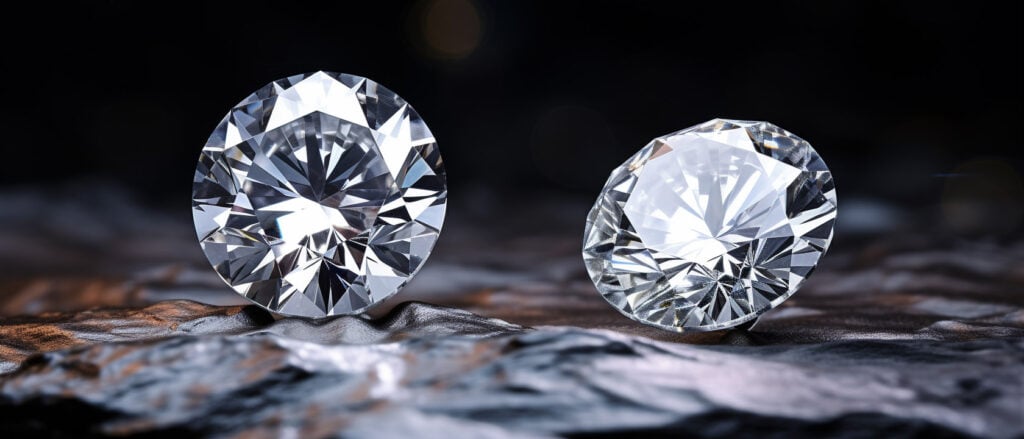
Lab diamonds, also known as lab-grown or man-made diamonds, are revolutionizing the jewelry industry. Among the many options available, loose lab diamonds are becoming increasingly popular for buyers seeking quality, value, and ethical assurance. This article explores what loose lab diamonds are, how they compare to natural diamonds, their benefits, buying tips, and why they could be the perfect choice for your next jewelry purchase.
What Are Loose Lab Diamonds?
Loose lab diamonds are diamonds created in a laboratory setting using advanced technology that mimics the natural conditions under which diamonds form in the Earth. Unlike diamonds mined from the ground, lab diamonds are grown in controlled environments, often through two main processes:
- CVD (Chemical Vapor Deposition): Carbon gases are deposited layer by layer to grow the diamond crystal.
- HPHT (High Pressure High Temperature): Conditions mimicking Earth’s mantle are recreated to transform carbon into diamonds.
Once grown, these diamonds are cut and polished to be sold as loose stones, meaning they are not yet set into any jewelry piece. Buyers can purchase these loose diamonds to custom design rings, necklaces, earrings, or other fine jewelry.
How Do Loose Lab Diamonds Compare to Natural Diamonds?
One of the biggest questions buyers have is: how do loose lab diamonds compare to natural mined diamonds? The truth is, lab-grown diamonds are chemically, physically, and optically identical to natural diamonds. They share the same hardness, brilliance, and sparkle that diamonds are famous for.
The main differences lie in:
- Origin: Lab diamonds are man-made, while natural diamonds form over millions of years underground.
- Price: Loose lab diamonds usually cost 20-40% less than natural diamonds of comparable size and quality.
- Ethical considerations: Lab diamonds are conflict-free, with no environmental destruction from mining.
- Certification: Both types can be certified by reputable gemological labs like GIA or IGI, assuring quality and authenticity.
Benefits of Buying Loose Lab Diamonds
1. Cost Savings
Because lab diamonds bypass mining, transportation, and some middlemen, loose lab diamonds are more affordable. This means you can get a bigger or higher quality diamond for your budget compared to natural diamonds.
2. Ethical and Eco-Friendly
Loose lab diamonds offer peace of mind for ethical consumers. They have a smaller environmental footprint, avoiding the ecological damage linked to mining, and are free from concerns about conflict or blood diamonds.
3. High Quality and Consistency
Lab diamonds are created under controlled conditions, allowing manufacturers to produce stones with consistent quality, color, and clarity. This predictability helps buyers get exactly what they want.
4. Customization Opportunities
Since loose lab diamonds come unset, you have complete freedom to customize the setting. Whether you want a custom engagement ring, pendant, or bracelet, you can choose the perfect stone to fit your style.
Understanding the 4 Cs for Loose Lab Diamonds
Just like natural diamonds, lab diamonds are graded based on the 4 Cs: Carat, Cut, Color, and Clarity. These factors determine the diamond’s beauty and value.
- Carat: The weight or size of the diamond. Larger loose lab diamonds typically cost more.
- Cut: How well the diamond is shaped and faceted, affecting its brilliance. A well-cut diamond shines brighter.
- Color: Diamonds are graded from D (colorless) to Z (light yellow or brown). Colorless stones are the most valuable.
- Clarity: Measures the presence of inclusions or blemishes. Flawless diamonds are rare and pricier.
When buying loose lab diamonds, look for stones with high ratings in these categories for the best sparkle and quality.
Tips for Buying Loose Lab Diamonds
1. Choose Certified Diamonds
Always buy loose lab diamonds that come with a certification report from a trusted gemological lab like IGI, GIA, or AGS. This report confirms the diamond’s authenticity and details the 4 Cs.
2. Compare Prices
Shop around and compare prices from various reputable dealers. Loose lab diamonds vary in price based on size, quality, and cut, so getting multiple quotes can help you find the best deal.
3. Check the Return Policy
Make sure the seller offers a good return or exchange policy. This flexibility lets you return the diamond if it doesn’t meet your expectations once you see it in person.
4. Consider Your Jewelry Style
Since loose lab diamonds come without a setting, have an idea of the jewelry style you want before buying. Whether you prefer classic solitaire rings, vintage-inspired settings, or modern designs, the loose diamond you choose should complement the final look.
5. Ask About Warranty and After-Sales Services
Some sellers provide warranties or maintenance services like cleaning and re-polishing for lab diamonds. These perks can add value and longevity to your purchase.
Popular Uses of Loose Lab Diamonds
- Engagement Rings: Many couples choose loose lab diamonds for engagement rings due to their beauty and ethical appeal.
- Wedding Bands: Loose lab diamonds can be set into wedding bands, adding sparkle and meaning.
- Earrings and Pendants: They are perfect for stud earrings, drop earrings, and pendant necklaces.
- Custom Jewelry: Jewelers use loose lab diamonds to create unique pieces tailored to personal tastes.
Are Loose Lab Diamonds a Good Investment?
While loose lab diamonds are an excellent value for personal use, they typically do not appreciate in value like natural diamonds. Natural diamonds have a long-standing market and rarity factor that can make them an investment. Lab diamonds, on the other hand, are relatively new and more plentiful, which means their resale value may be lower.
However, if you prioritize affordability, beauty, and ethics over resale value, loose lab diamonds offer a great alternative to mined diamonds.
Common Myths About Loose Lab Diamonds
- Myth 1: Lab Diamonds Are Fake or Imitations
False. Lab diamonds are real diamonds with the same physical and chemical properties as mined diamonds. - Myth 2: Lab Diamonds Are Lower Quality
False. Lab diamonds can be of equal or even better quality than natural diamonds since they can be engineered for high clarity and color. - Myth 3: Lab Diamonds Are Bad for the Environment
False. Lab diamonds generally have a much smaller environmental impact compared to mined diamonds.
Conclusion
Loose lab diamonds provide an excellent option for anyone seeking a beautiful, affordable, and ethical diamond. Whether you want a classic engagement ring or a unique custom piece, loose lab diamonds give you the freedom to design and personalize jewelry with confidence. Their identical nature to natural diamonds, combined with cost savings and sustainability benefits, makes them a smart choice in today’s market.
By understanding what loose lab diamonds are, how to evaluate their quality, and how to buy wisely, you can enjoy the timeless beauty of diamonds with peace of mind and satisfaction.